AI-Driven Transformation: From AWS AI Agents to Meta's Acquisition and the Rise of AI-Assisted Collaboration
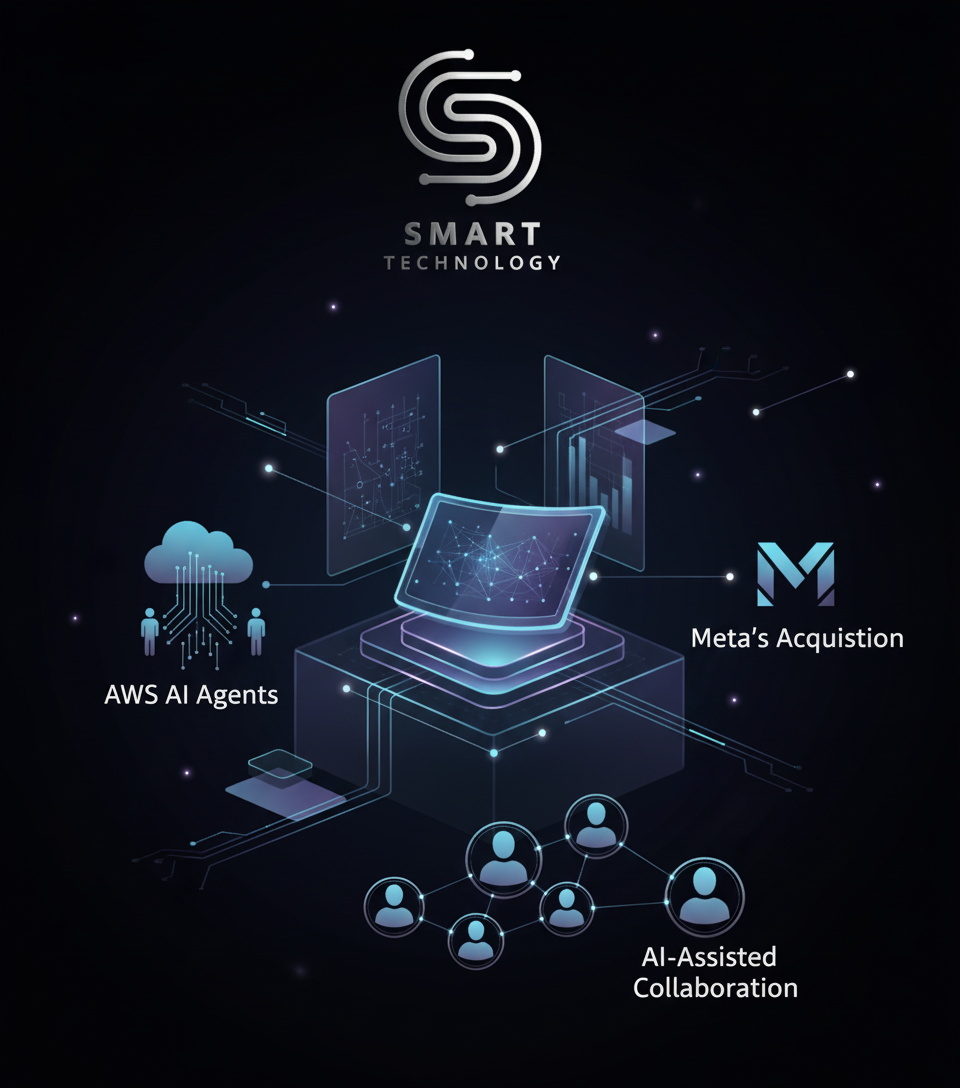
AI-Driven Transformation: Key Developments for Business Owners
The AI landscape is rapidly evolving, presenting both opportunities and challenges for business owners. Here's a breakdown of recent key developments:
AWS Focus on AI Agents
- AWS is heavily investing in AI agent tools, aiming to catch up with AI leaders. For business owners, this means more readily available and potentially cost-effective AI solutions for automating tasks and improving efficiency.
- Frontier AI agents are emerging as replacements for traditional chatbots, offering more advanced and context-aware interactions with customers.
Meta's Strategic Acquisition
- Meta acquired Limitless, an AI device startup, signaling a strong push towards integrating personal superintelligence into its ecosystem. This could lead to new avenues for businesses to engage with customers through AI-powered devices and personalized experiences.
The Rise of AI-Assisted Collaboration
- Yoodli, an AI startup focused on assisting rather than replacing people, tripled its valuation to over $300M. This highlights the growing importance of AI tools that augment human capabilities, enhancing productivity and collaboration within teams.
- Understanding teamwork patterns is crucial for designing AI systems that support collaboration. Salesforce is emphasizing the development of AI tools that align with how people work together, promising better integration of AI into business processes.
Other Notable Developments
- ChatGPT's user growth has slowed, while Gemini's user base is expanding, indicating shifts in the competitive landscape of AI platforms. Businesses should monitor these trends to choose the most effective AI tools for their needs.
- Aaru, an AI synthetic research startup, raised a significant Series A round, demonstrating the increasing value of AI in market research and simulated population analysis.
- Aluminium OS is emerging as an AI-powered successor to ChromeOS, potentially transforming how businesses utilize cloud-based operating systems and applications.